
As the final whistle echoed through the stadium, the 70,000 fans stood, waiting for the next chapter of their Super Bowl experience. The air was electric, fueled by excitement and anticipation, but no one expected what was about to unfold. Suddenly, every light in the stadium went out—an absolute blackout that echoed the kind of darkness you’d experience only in the Tennessee hills on a moonless night. The entire stadium was cast into an eerie, deafening silence.
Then, out of nowhere, a single pink-white spotlight flickered to life, slowly illuminating the 50-yard line. In its glow, a shimmering figure emerged, as if summoned by the very light itself. Glimmering like the stars in the Southern sky, Dolly Parton appeared, wearing a simple white fringe jacket, which caught the light with the kind of brilliance that only someone like Dolly could command. The rhinestones caught every glint, flashing like distant stars. She had no band. No dancers. No big production.
Instead, it was just Dolly, standing alone, with a microphone in hand—one rhinestone microphone, already glowing as if it had its own inner light.

A Star Like No Other
Dolly Parton, the woman who grew up in a one-room cabin in the Appalachian mountains, had already reached heights that most could only dream of. From her humble beginnings, Dolly had risen to become a global icon—not just in music, but in the hearts of millions of people around the world. Her generosity, authenticity, and unshakable faith in love had made her not only a legendary performer but a beloved figure whose influence stretched far beyond the stage.
Portable speakers
As she stood under the spotlight, it was clear that this moment would transcend everything that had come before. She didn’t strut or perform in the traditional sense. She didn’t need to. She was the performance, and the audience, already captivated by her presence, was waiting for her next move.
A Performance Like No Other
Then, without a word of greeting, she did what only Dolly could: she laughed. That signature laugh of hers—a mix of angelic sweetness and raw Southern charm—rippled through the stadium, breaking the silence like a burst of sunlight through a dark sky. The crowd instantly responded, their laughter rippling in unison, as if everyone were sharing in the same joke, as if Dolly had somehow already made them all feel like old friends.
And with that, she began, soft as butter, her voice ringing out a cappella:
“Jolene… Jolene… Jolene… Joleeeeeene…”
For a moment, the crowd forgot about football. They forgot about the game. They forgot about everything except the woman standing at the center of their hearts, singing a song that had become a universal anthem of yearning, heartbreak, and timeless beauty.
The Magic of Dolly’s Voice
Dolly Parton’s voice is a gift—one that defies the ordinary. She doesn’t belt out her songs. No, she whispers the truth so powerfully that it fills every corner of the stadium, reaching the deepest part of the soul. Her voice doesn’t demand attention; it simply commands it with the quietest of whispers. And as she sang, something extraordinary happened: seventy thousand people—each with their own story, their own heartache—found themselves united under the weight of her words.
Gift baskets
When Dolly moved from “Jolene” to “9 to 5,” the energy in the stadium shifted. It wasn’t just a song. It was an anthem for every woman who had ever punched in and dreamed bigger. It was the soundtrack of every office worker’s ambition, every woman’s struggle, and every moment of resilience. The crowd, young and old, connected with the music on a deep, personal level. You could feel the collective power of every person in that stadium. They weren’t just spectators; they were participants in something much greater than a halftime show—they were part of a revival.
A Heartfelt Message That Resonated with Every Listener
Dolly Parton didn’t just perform; she reminded everyone in that stadium of something deeper than music. As she stood before the crowd, singing “I Will Always Love You,” a hush fell over the entire venue. The kind of silence that spoke volumes. Grown men wiped their eyes, and the sound of muffled sniffles filled the air as the power of that song washed over them like a warm embrace.
Then came “Coat of Many Colors,” a song that is part of Dolly’s personal story. A song about childhood poverty, about a mother’s love, about feeling like royalty despite having little material wealth. And when she sang it, there was a palpable shift. Mothers held their daughters tighter, their arms wrapped around them as if they, too, could feel the love Dolly was offering in every note. And for every little girl in the stadium—no matter their circumstances—suddenly, they felt like royalty too.
The Moment of Truth: A Call for Love and Humanity
In the middle of her set, Dolly paused, gazing out over the sea of faces before her. For just a moment, she seemed to take in the enormity of the crowd, then she spoke softly into the microphone:
“Y’all know I never had much growin’ up… but I had love. And love’s the only thing you can’t buy at the gift shop.”
For a moment, there was complete silence, as if the very air had thickened with the weight of her words. Then, like a dam breaking, the stadium erupted in applause and cheers, the kind of roar that shook the foundations of the building itself. It wasn’t just the power of her words; it was the truth behind them. Dolly had stripped away the glitter and the glamor of the performance to give them something real—something that mattered.

A Revival, Not a Performance
By the time she reached the final song, “Travelin’ Thru,” it was clear that this was not a halftime show. This was a revival—a return to the things that truly mattered: love, kindness, and the simple joy of being alive. Dolly sang, her voice pure and strong, her eyes glistening with emotion. She didn’t need anything else—no extravagant costumes, no over-the-top effects. She was enough.
Gift baskets
When the final note faded away, Dolly gave a tiny curtsy, blew a single kiss to the crowd, and walked off the stage as quietly as she had arrived. There was no encore. There didn’t need to be. She had left everything on that stage, and the entire stadium knew it.
The lights dimmed. The stadium remained in stunned silence for what seemed like forever. And then, slowly, the crowd began to stir. A slow, deep roar filled the space, rising like a wave until it became a tidal force. People stood, clapping, crying, and humming “I Will Always Love You” under their breath.
Dolly’s Legacy
Dolly Parton didn’t just perform at the Super Bowl that day. She brought a revival—a revival of love, of humanity, and of what truly matters. She reminded everyone in that stadium of the importance of love, of family, of staying true to oneself, and of never forgetting where you came from.
Dolly didn’t just sing songs—she shared pieces of her soul. And in return, the souls of 70,000 people were forever changed. She doesn’t perform for applause. She performs to remind us who we truly are, before the world tries to make us forget.
So, the next time you hear a Dolly Parton song, don’t just listen. Let it fill you with warmth. Let it remind you of the simple, powerful truths that live within us all. And remember—love is the only thing you can’t buy at the gift shop.
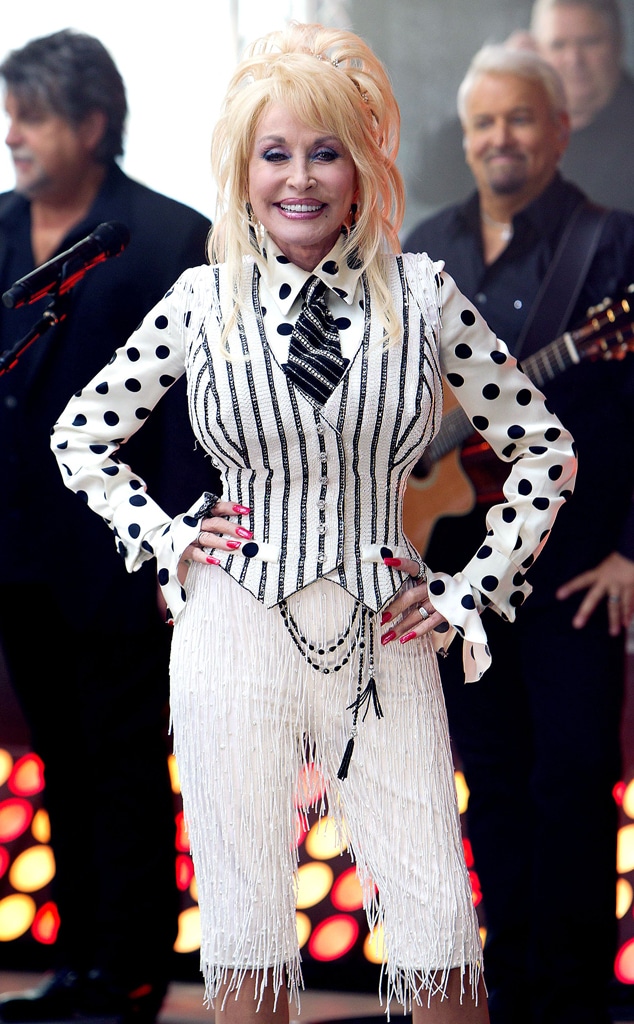
If Dolly Parton’s heartfelt performance moved you, share this story with someone who needs to hear it. Let’s all carry a little more light and love into the world, just like Dolly does. Want more stories of love, humanity, and inspiration? Explore our other articles on unforgettable moments and the people who change our lives.
Gift baskets

Leave a Reply